After day of questioning, 9 jurors selected for high-stakes trial
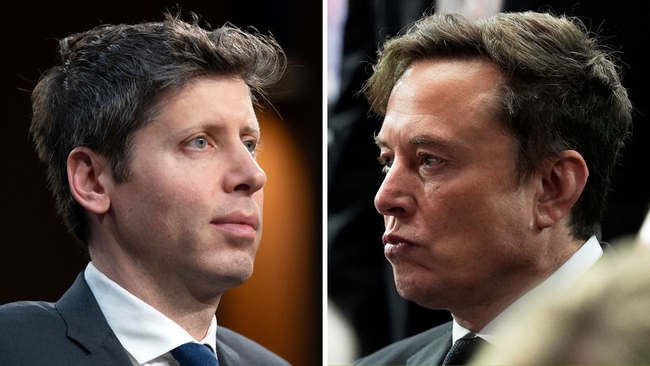
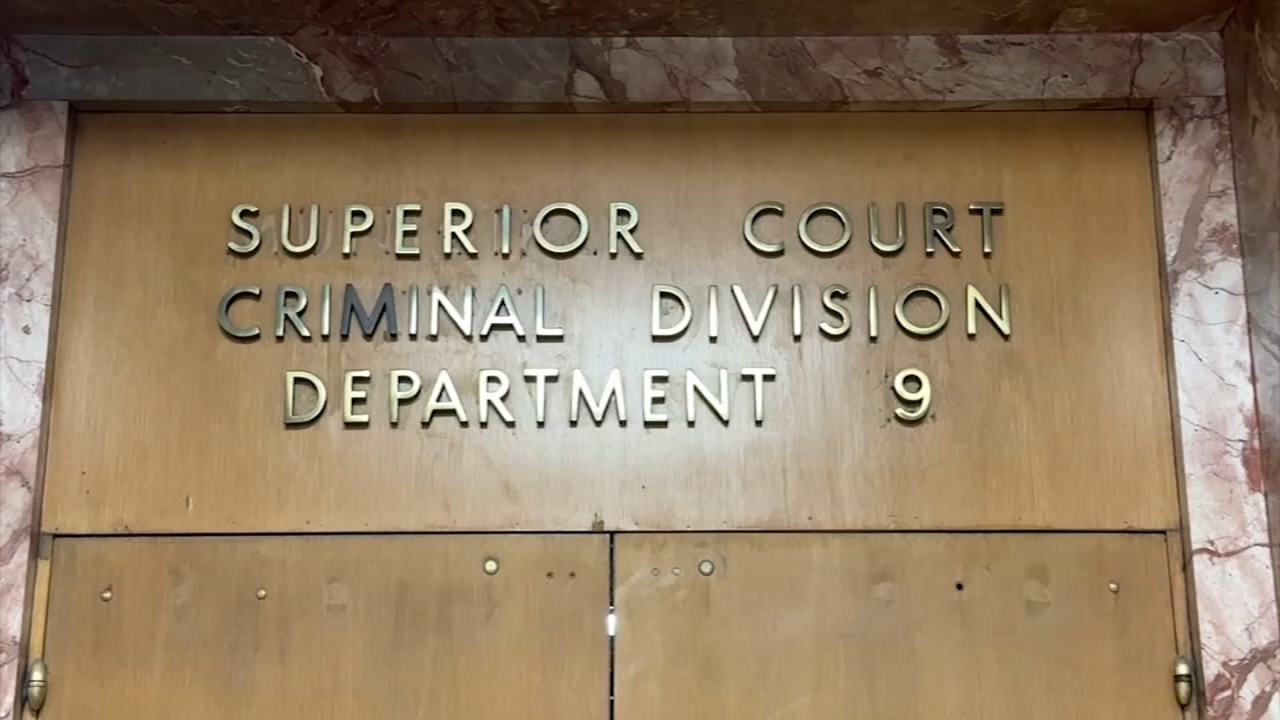
Jury selection wrapped up Monday in the high-profile legal battle between Elon Musk and OpenAI CEO Sam Altman.
Nine jurors from across the greater Bay Area were selected. Judge Yvonne Gonzales Rogers emphasized that the case is not about technical expertise, but about disputed facts that the jury will be asked to decide.
"It's a good jury, and they're going to hear the facts, and we're going to get a verdict," William Savitt, at attorney for OpenAI said.
The trial centers on a dramatic split between two former partners. Musk and Altman cofounded OpenAI in 2015 as a nonprofit with a shared mission of developing artificial intelligence for the benefit of humanity. Their relationship has since fractured, and Musk now accuses Altman and OpenAI President Greg Brockman of abandoning a mission he pledged tens of millions of dollars to.
"We're looking forward to presenting their case to that jury," said William Savitt, an attorney representing Altman and Brockman. "We're confident in their position and looking forward to the facts being known."
Altman and Brockman were both in court for jury selection. Their legal team argues Musk is acting out of jealousy and regret after walking away from OpenAI, which is expected to go public later this year.
Musk did not attend Monday's proceedings but posted a series of attacks on his social platform X, referring to the defendants as "Scam Altman" and "Greg Stockman." He accused them of "stealing a charity" and claimed he founded OpenAI "for public good," not profit.
"Musk's legal team is arguing there was a baitandswitch: philanthropic intent turning into forprofit activity," said Andrew Reddie, a UC Berkeley professor who studies and works at the intersection of AI security and safety.
Many of Musk's original claims have already been dropped, including a fraud allegation dismissed Friday. Jurors will now consider whether Altman and Brockman engaged in breach of uncharitable trust or unjust enrichment. Musk is also suing Microsoft, OpenAI's primary partner, for aiding and abetting on his claim of uncharitable trust.
Musk is seeking Altman's and Brockman's removal from OpenAI leadership and wants the company returned to its original nonprofit structure.
"It matters because if OpenAI were to lose this case, it could significantly impact leadership," Reddie said. "Those leaders have a lot to say about how AI tools are being deployed."
Opening statements begin Tuesday. The judge expects all evidence to be presented by May 21, after which jurors will begin deliberations. The panel is an advisory jury, meaning the final decision will ultimately be made by the judge.
No cameras are allowed in the courtroom, but reporters could listen to an audio feed in a separate room throughout the selection process. Nearly every potential juror questioned said they were familiar with Musk.
One woman said the only thing she knew about him was that he was "the richest man in the world." Another man admitted he thinks Musk is "a jerk" and disagrees with his politics, but said he would try to remain fair. Attorneys also questioned a juror who said he likes Tesla cars and thinks SpaceX is "cool."
The exchanges underscored how deeply Musk and Altman, and the tech companies they lead, are woven into daily life, and how challenging it may be to seat a fully impartial jury in what is shaping up to be a historic trial.