Driverless cars can now get citations; autonomous trucks get testing green light in new CA DMV rules

SAN FRANCISCO (KGO) -- The California Department of Motor Vehicles has announced sweeping changes to its rules governing autonomous vehicles, including new limits intended to keep driverless cars out of the way during emergencies and new authority for law enforcement to issue citations.
Under the updated regulations, police will be able to cite autonomous vehicle companies for moving violations, even when no human driver is present in the vehicle.
The changes also allow local officials to restrict autonomous vehicle access to certain areas during emergencies and open the door to expanded testing of autonomous freight vehicles.
WATCH: 'A Driverless Tomorrow': From farming to mining, self-driving trucks are how humans do basic tasks
The DMV said the updated regulations are intended to demonstrate the state's commitment to public safety.
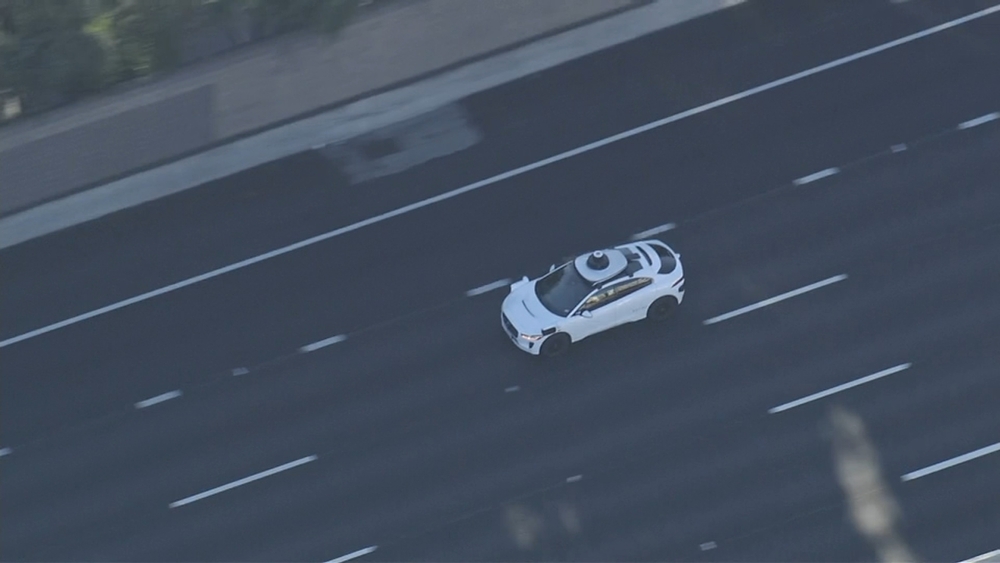
Waymo, which operates driverless vehicles in San Francisco, said it is reviewing the final rules. The company said it appreciates the opportunity to participate in informing the new regulations.
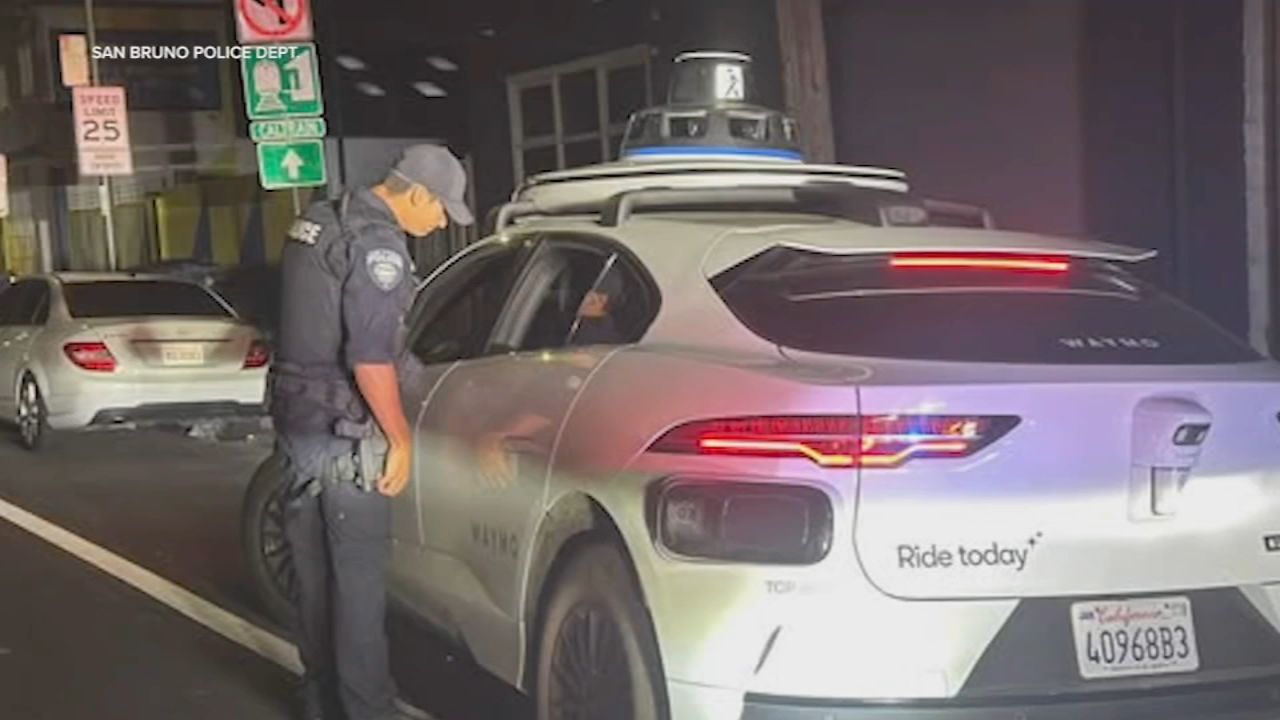
The changes address questions that had previously gone unanswered, including what happens when a driverless vehicle is pulled over by police.
A DRIVERLESS TOMORROW: Explore the triumphs, setbacks and innovations shaping the driverless future
In September 2025, the San Bruno Police Department posted photos after officers were unable to issue a ticket when an autonomous vehicle made an illegal U-turn in front of them because there was no human driver. That will no longer be the case under the new rules.
"I think it's a great standard that's set in place," said Sgt. Scott Smithmatungol of the San Bruno Police Department. "I truly wish that it was kind of set-in place when all this testing kind of started. I mean, if human drivers are to be held accountable or held to a standard, I think autonomous vehicles and the autonomous vehicle companies should as well."
Phil Koopman, an expert in self-driving car safety and an emeritus professor at Carnegie Mellon University in Pittsburgh, said the real impact will depend on how the information from citations is used.
"The reality is that even a several-hundred-dollar ticket fine doesn't mean much to a big company," Koopman said. "And so, you can argue that just keeping score is enough to motivate the company to do the right thing. There's some validity to that argument. So, whether it's a fine or it's just some bookkeeping isn't really the point. The point is what happens."
RELATED: Self-driving trucks transport goods on Texas freeways in expansion push, could lead to job losses
In addition to allowing moving violation citations, the DMV's updated regulations require autonomous vehicle companies to respond to calls from first responders within 30 seconds. Local officials will also be able to use geofencing to limit access to certain areas during emergencies.
The DMV also approved testing of heavy-duty autonomous vehicles, such as semi-trucks, on California roads.
Silicon Valley-based Aurora, which has been testing self-driving trucks in Texas since last year, welcomed the move. A company spokesperson said, "We are encouraged to see a regulatory path being established for autonomous freight in California."
Autonomous trucks do not require mandatory rest breaks, allowing them to operate nearly 24 hours a day, according to industry representatives.
Waymo reiterated that it is reviewing the final rules and appreciates the opportunity to help inform the state's approach to regulating autonomous vehicles.