Here's where cyclosporiasis cases are spreading across the country

Infections from the diarrhea-causing parasite cyclospora are surging, with state-level data suggesting that 2026 is already the nation's worst year for reported cases.
Federal health officials said during a press conference on Tuesday they anticipate cases of cyclosporiasis to continue increasing in the U.S., possibly through the end of August. The season is typically considered to be from May 1 to Aug. 31.
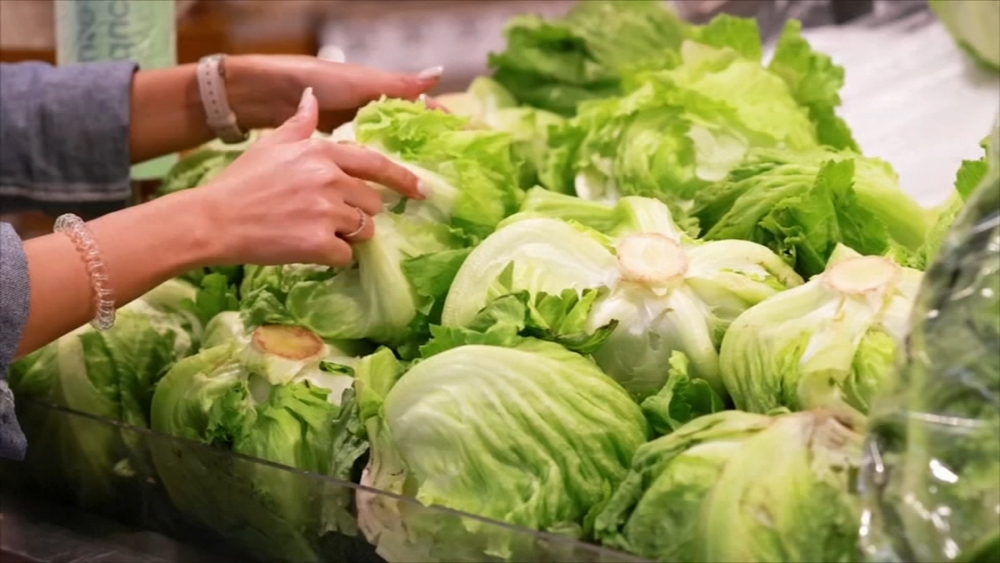
Preliminary findings by Michigan health officials suggest lettuce or salad greens as a potential source of the illnesses. However, no specific type of produce, grower or supplier has been identified as the source, and federal health officials have not publicly identified a source of the outbreak.
Additionally, the CDC sent out an alert to doctors around the country on Tuesday warning them of an increase in cases of cyclosporiasis.
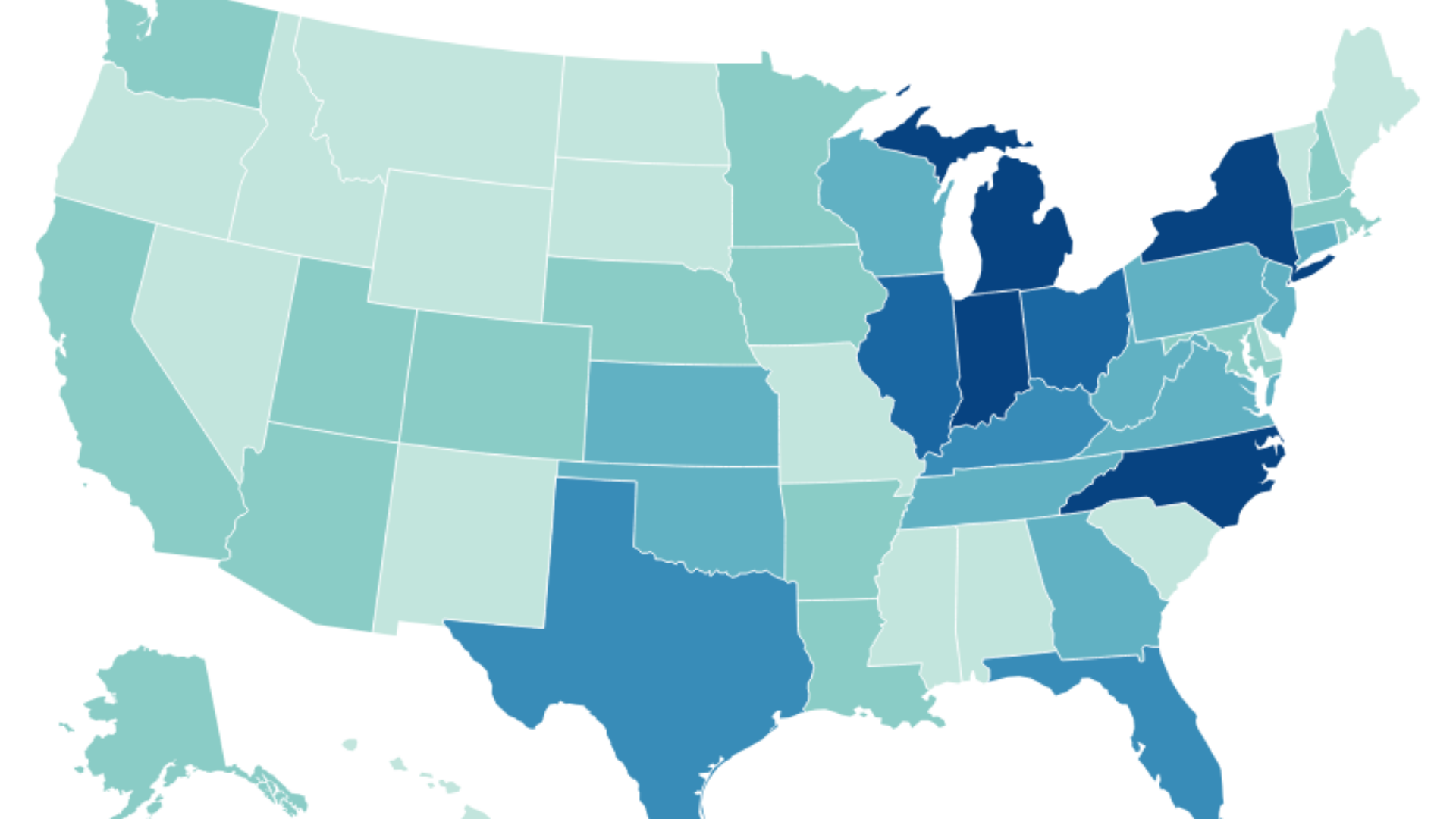
Cyclospora outbreak map: Where infections are rising across the country
The outbreak has sickened nearly 7,000 by CDC estimates, with 34 states reporting cases. The bulk of infections are in Michigan which alone is reporting 4,312 cases and 102 hospitalizations.
Cyclospora causes 'explosive' diarrhea
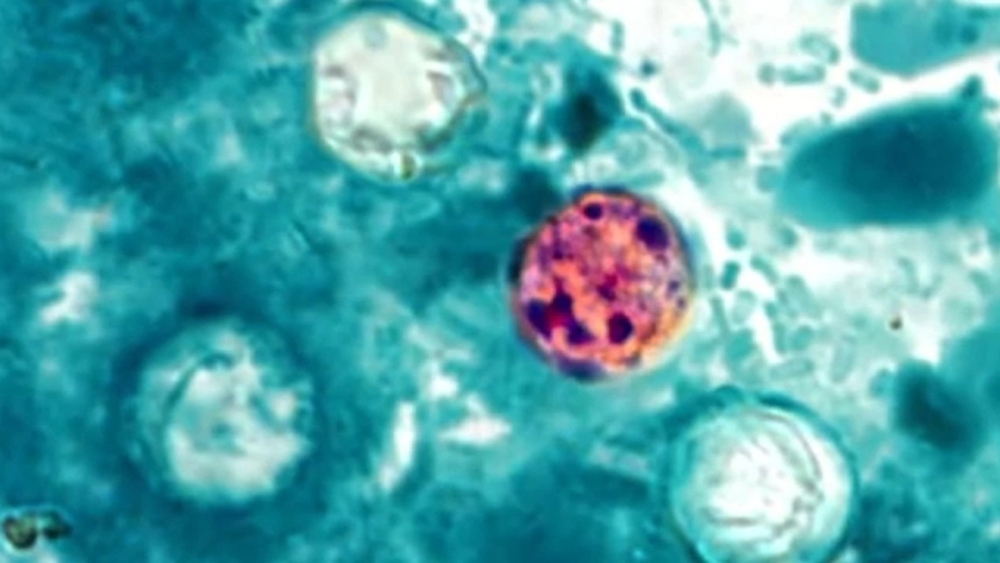
Cyclospora is a microscopic, spherical parasite that commonly causes watery diarrhea "with frequent and sometimes explosive bowel movements," according to the U.S. Centers for Disease Control and Prevention. Outbreaks tend to occur most often in the late spring and summer.
The heat-loving parasite infects the bowels and spreads through feces. In the past, people have been infected by consuming fruits or vegetables that were exposed to feces-contaminated irrigation water.
The illness, called cyclosporiasis, is less common than foodborne illnesses caused by other germs, including salmonella and E. coli. Many cases are never linked to a specific food or other source and, for years, few U.S. cyclospora outbreaks were reported. But the number started rising about a decade ago, with a particularly notable spike in 2018 and 2019.
Experts say it's likely that cyclospora cases historically were underreported, in part because some common tests used to check for food poisoning have not been geared to detect cyclospora. They attribute the increasing trend in cases to climate change and better detection.
Maggie Green, ABC News and The Associated Press contributed to this report.