Mom speaks out after teen dies from rare brain-eating amoeba in North Carolina


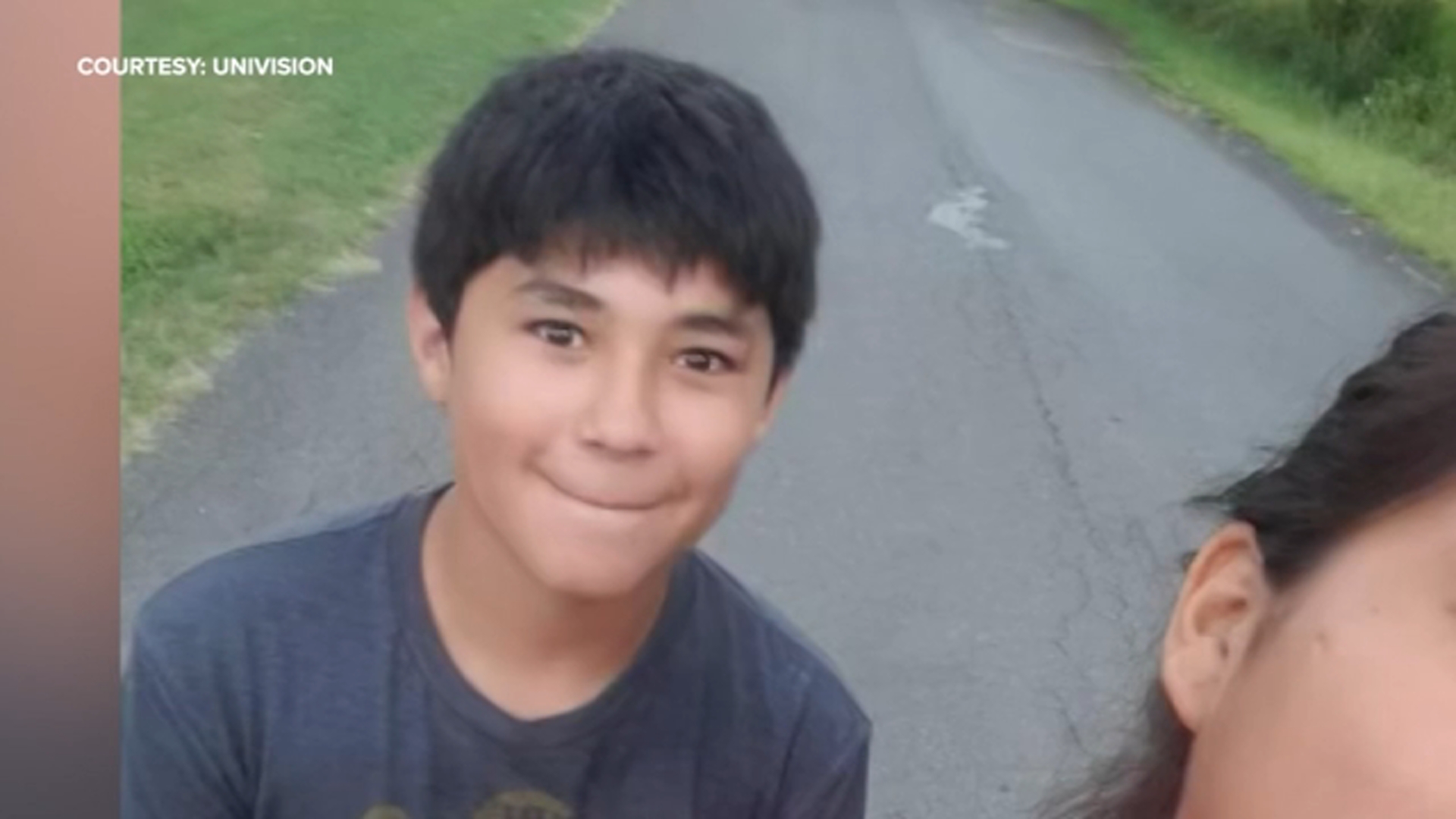
BURLINGTON, N.C. -- A North Carolina teen died Monday after contracting a rare brain-eating amoeba, and his family is still seeking answers about how he became infected.
Health experts say the illness is seen in fewer than 10 cases a year. The family of Moises Ponce Mendoza says the 17-year-old died at a hospital in Chapel Hill after developing the infection.
Speaking in a Univision report, Monica Mendoza described the grief of losing her son and the uncertainty surrounding the source of his exposure.
"How am I going to live with this void? I come home, and he's not there," she said.
Even the doctors said your son is very loved, because we've never seen a patient have so many people come see them.- Monica Mendoza
Through tears, she remembered her son in the days before his death. Monica Mendoza, who lives in Burlington, said Moises first went to Alamance Regional Medical Center and was sent home with medicine.
She said his condition later worsened, prompting the family to take him to UNC Medical Center in Chapel Hill.
"He started acting like crazy, screaming like crazy and grabbing his head. And I started crying, and I held him and said, 'My son, what's wrong with you?'" she said.
Monica Mendoza said that was the last time she saw her son conscious before he went into a coma and died days later.
"Even the doctors said your son is very loved, because we've never seen a patient have so many people come see them," she said.
Family members said Moises was known for his love of soccer and spending time with friends.
His brother, Elmer Aguilar Mendoza, reflected on his loss and the memories they shared.
"I wish I could go back in time, hug him, and tell him just how much we loved him. My kids, my nephews loved him very much," he said.
As the family mourns, they are also trying to determine where Moises may have been exposed to the amoeba.
"We always went to many different places to swim. We always loved that. Lakes, pools, many places," Aguilar Mendoza said.
Monica Mendoza said she hopes health officials can determine how her son became sick.
"Please, pay close attention and do your part to find where this came from so we can protect everyone else," she said.
The North Carolina Department of Health and Human Services said to ABC11 on Friday that it has not yet identified a most likely source of exposure and that the investigation remains ongoing.
Editor's note: Quotes from the interview subjects have been translated from Spanish to English.