Rotavirus levels rising across Bay Area: Here's how it spreads, who's most at risk


SAN FRANCISCO (KGO) -- High concentrations of rotavirus across the Bay Area are raising concerns among infectious disease experts, particularly for young children who are most at risk.
Dr. Monica Gandhi, a UCSF professor of medicine and infectious diseases, said the virus can be serious in some cases but is often treatable with proper care.
"Absolutely can be fatal. Usually, though, in this country, we will take the child and we'll get them hydrated," Dr. Gandhi said.
Rotavirus is a highly contagious virus that causes severe watery diarrhea, vomiting, fever, and abdominal pain.
Experts say it spreads easily, especially among young children who may not consistently practice good hygiene.
MORE: 2 new hantavirus exposures linked to Bay Area: Here's what to know
"It enters through the oral cavity. You know, children, especially young children, are not as great at washing their hands. There's been exposure to diarrhea from someone else. They get the virus in their mouth, they swallow it, and then basically it goes down to the lower tract and it causes watery, really, bad diarrhea can cause vomiting and nausea," Dr. Gandhi said.
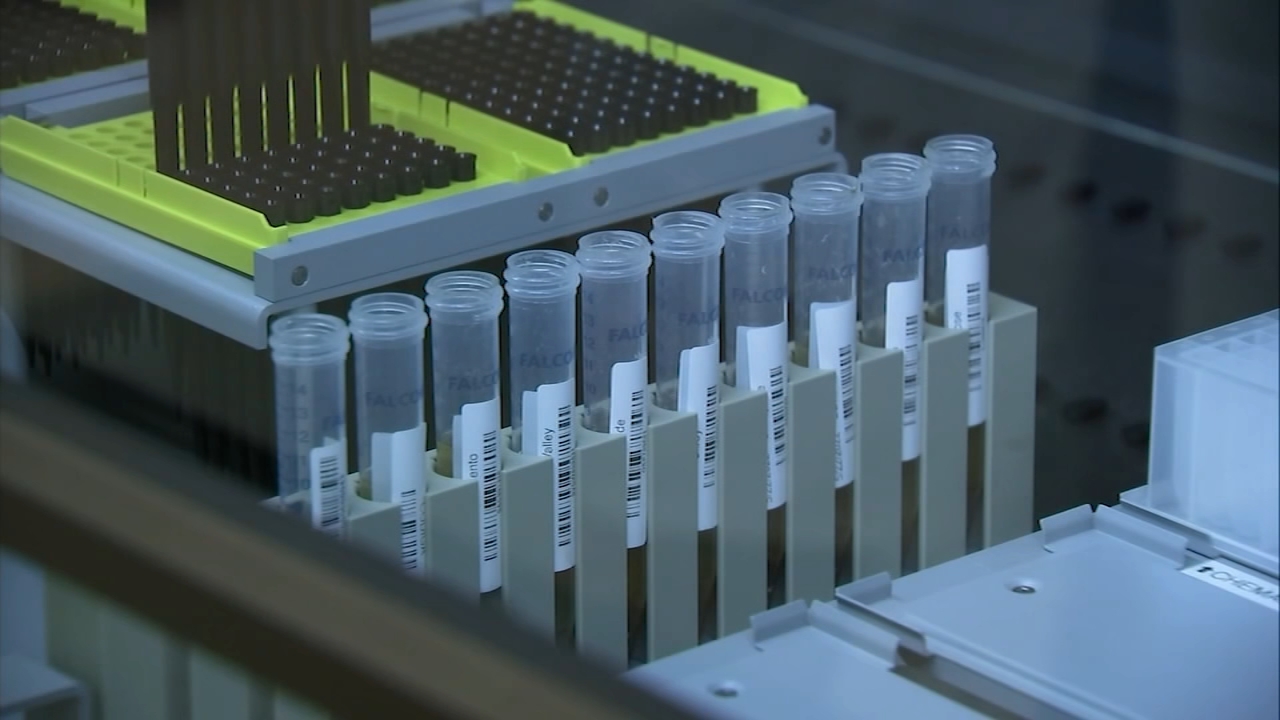
Stanford University scientists who track viruses through wastewater monitoring systems first detected an increase in rotavirus levels in March. The data, collected from municipal wastewater systems, shows continued and significant growth.
"We have seen a little bit higher levels in Gilroy, sort of in the south of Silicon Valley. But levels have been increasing and are high, relatively high, throughout the Bay area right now, as well as across the country," said Alexandria Boehm, a Stanford professor of civil and environmental engineering.
Most rotavirus cases are not formally recorded because only severe infections requiring hospitalization are tracked. Experts say wastewater sampling provides a broader picture of how the virus spreads in communities.
MORE: CA health officials warning beachgoers of bird flu for pets after elephant seals contract virus



"Samples are collected at the wastewater treatment plants daily two or three times a week. And they send samples to us. And we analyze them for a suite of viruses and other pathogens," Boehm said.
According to the National Foundation of Infectious Disease in the U.S., rotavirus is responsible for up to 70,000 hospitalizations and 20 to 60 deaths each year.
Gandhi said a decline in vaccinations may be contributing to the increase in cases.
"What changed between now and last year is the rotavirus vaccine, which we have a vaccine against. It really important to use worldwide was taken off the vaccination schedule by the current administration. The CDC has not recommended it at first like it used to," she said.
Symptoms of rotavirus can last between three and nine days. Experts say frequent handwashing remains the most effective way to prevent infection.