Sick sea lion dies on SF beach in latest neurotoxin case connected to warmer waters
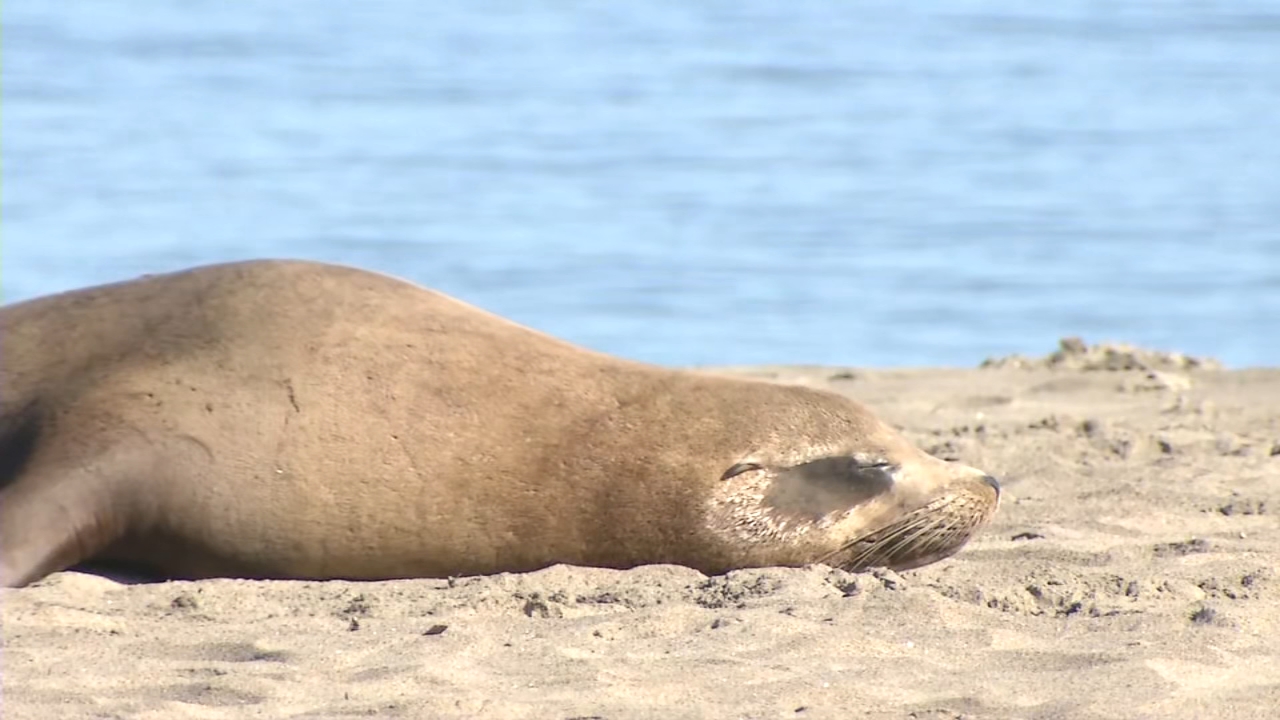

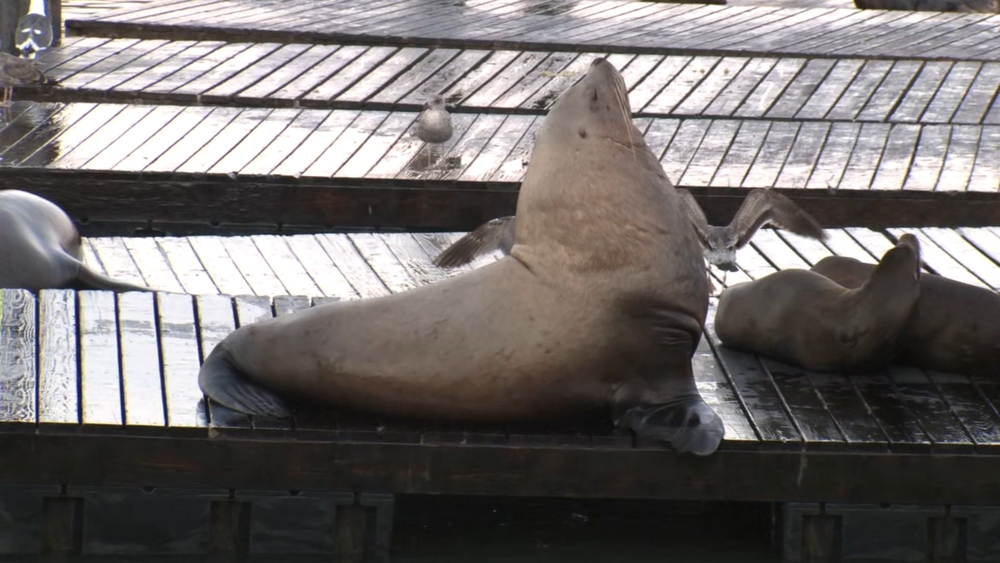
SAN FRANCISCO (KGO) -- A sick California sea lion died Monday morning on San Francisco's Crissy Field Beach after it was seen experiencing seizures likely due to a neurotoxin, the Marine Mammal Center confirms.
Trained staff attempted to rescue the sea lion and transport it to a facility in Sausalito, but the animal died on the beach before it could be taken for treatment.
The sea lion will undergo a necropsy at UC Berkeley to determine the official cause of death. The Marine Mammal Center said it has seen an increase in domoic acid poisoning cases this summer.
Patti Jensen with the Marine Mammal Center suspects that it had domoic acid poisoning. She says they have seen a surge in cases this summer. On Monday alone, the center responded to multiple sick marine mammals. The response to the sea lion at Crissy Field was the organization's ninth call of the day as of noon.
"The domoic is from the algae that's in the water," Jensen said. "The algae is going through a bloom right now due to the warming ocean temperatures."
According to the center, small fish eat the algae and sea lions then consume the fish, exposing them to the neurotoxin. The toxin can cause seizures and organ failure.
Beach visitors initially were excited to see the sea lion near the shoreline, but witnesses soon realized the animal appeared to be in distress and contacted the Marine Mammal Center.

The Marine Mammal Center diagnosed the first case of domoic acid in mammals in 1998, according to their website. They say that since then, the disease has become more unpredictable and intense.
"If any public comes upon an animal like this, please try to keep your distance. They are sick animals and they're unpredictable. And please, if you have a dog, please, leash the dog," Jensen said.
The Marine Mammal Center urged members of the public to report sick or distressed marine mammals rather than approach them.
"They should call the Marine Mammal Center and everybody else who is able to take a picture on the phone now, they'll get a number to send a picture in, and then we send out an assessment team," said Lin Michael-Cassidy of the Marine Mammal Center.