Why San Francisco office-to-housing projects are gaining traction

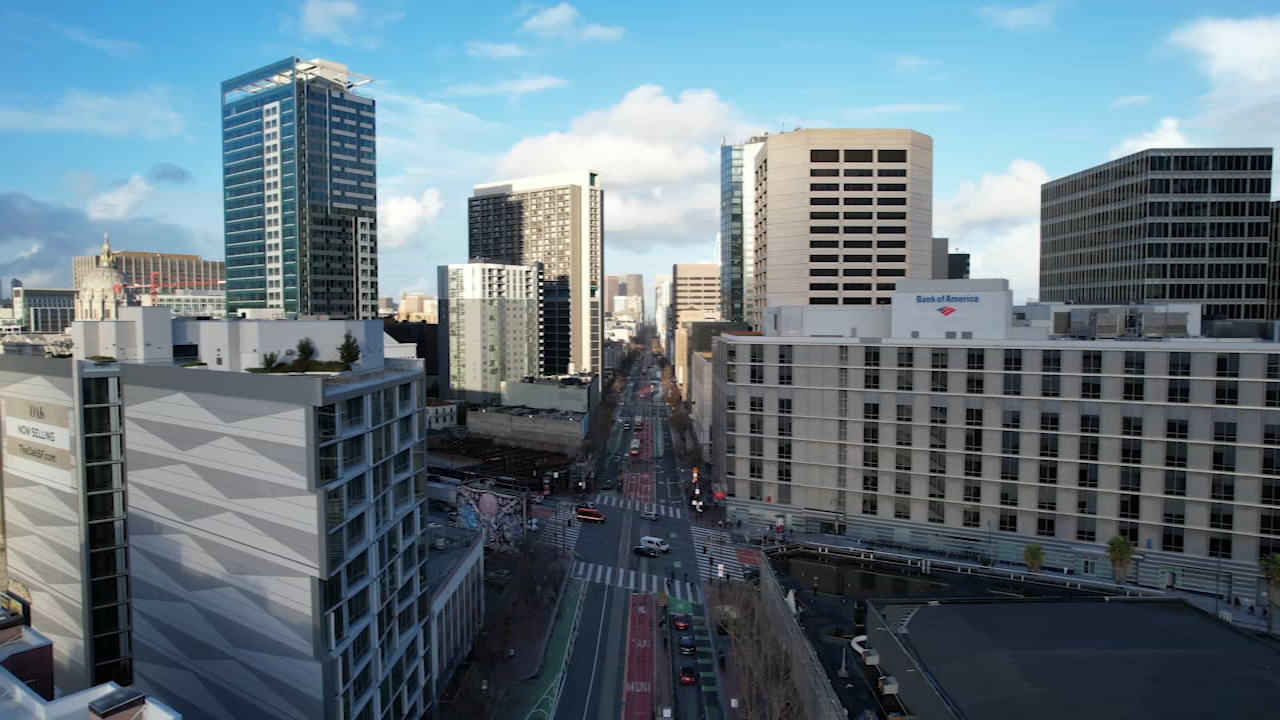
SAN FRANCISCO (KGO) -- After years of discussion and little tangible progress, San Francisco may be seeing new momentum in efforts to convert vacant office buildings into housing as financial incentives encourage developers to pursue projects that previously did not make economic sense.
City leaders have long promoted office-to-residential conversions as a way to help address San Francisco's housing shortage while bringing more residents back to downtown. Despite those efforts, no office-to-residential conversion projects have been completed in the city during the past decade.
Mayor Daniel Lurie recently announced plans to convert the former Nordstrom Rack building at 901 Market St. into housing. The proposal joins two other conversion projects in the pipeline: 2300 Stockton St. near the Embarcadero and 150 Hayes St. in Hayes Valley.
RELATED: More incentives planned for SF commercial-to-housing conversions, but there are still challenges
At 150 Hayes St., developer Marc Babsin of the Emerald Fund plans to transform a former office building into 104 rental apartments. Describing a typical floor plan, Babsin explained how the office layout would be adapted for residential use.
"This floor I believe we have 16, I believe we have eight so we're pretty much walking down the middle of the corridor, so you turn to your apartment this way and you would have these big window and then your kitchen and living room and then a couple of bedrooms, the bathrooms, so eight on this side and eight on this side," Babsin said.
The project is expected to cost between $450,000 and $500,000 per apartment unit. Babsin said much of the existing structure would remain while major upgrades are completed.
"Plumbing, we're going to rip everything up but the structure, so we're going to keep the steel frame, we're going to keep the elevators and we're going to seismically upgrade the building," Babsin said.
He said the building also would undergo extensive modernization.
"We're going to take the glass which is not high performance glass and replace that with an attractive contemporary design and we're going to add a floor and we're going to bring all new systems," he said.
San Francisco's most recent major conversion projects opened more than a decade ago. The Pacific, a luxury condominium development created from a former dental school building, opened in 2016. A year earlier, 100 Van Ness opened with 418 apartments, becoming the largest office-to-residential conversion in city history.
"It was the right size for larger units and had really amazing views, really amazing neighborhood in Pacific Heights," said James Hakes of Handel Architects, referring to The Pacific project.
Since then, several high-profile proposals have stalled. Plans to convert the former Humboldt Bank building at 785 Market St. were later abandoned by the developer, while a proposed residential conversion at 988 Market St., known as the Warfield project, also failed to move forward.
Developers say economics have often been the primary obstacle.
RELATED: The challenges San Francisco faces converting office space into residential units
"You look at the revenue side, what do these rent for and you look at the construction cost side, what does it cost to build. They've been out of balance," Babsin said.
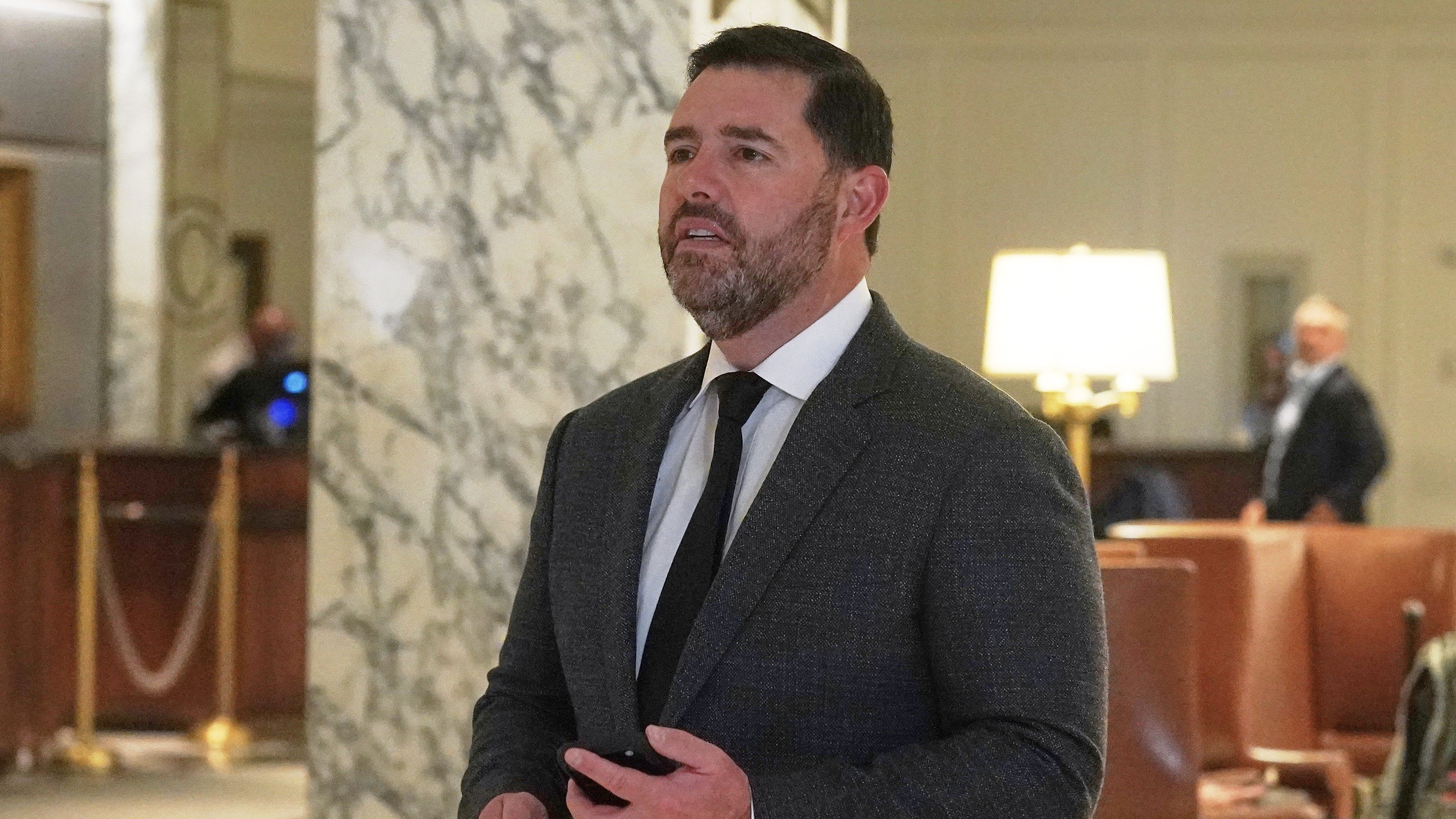

To help make projects financially viable, San Francisco has adopted several incentives. Under the program, the transfer tax on qualifying building sales has been reduced from 6% to 0%, projects are exempt from affordable housing requirements, and developers receive a portion of annual property tax revenue for 30 years.
Babsin said the incentives reduce development costs by roughly one-third.
"Anything the city or jurisdiction can do to make it a little easier for developers, a little more predictable for developers will help motivate them to do conversions," Hakes said.
Architects caution that not every office building is a good candidate for residential redevelopment. Older buildings with smaller floor plans are often better suited for conversion projects.
"I'm talking about buildings that were done in the early 1900s. Small office buildings tend to lend themselves better for conversions than our buildings that we did in the 60s and 70s that have large floor plates," said Glenn Rescalvo of Handel Architects.
Supporters say more downtown residents could help strengthen local businesses and cultural institutions.
"There is no secret San Francisco needs a lot more housing and when you talk about a true functioning arts and culture district, mixed use neighborhood, you need residents. You need residents who want to belong, want to linger and want to patronize the local businesses. So this adds another feather in that cap. We welcome the project and we are completely supportive of it moving forward," said Fernando Pujals of the Mid Market Business Association and Foundation.
Despite renewed interest, San Francisco remains far behind other major cities in office-to-housing redevelopment. The city currently has about 300 residential units in the conversion pipeline, compared with roughly 15,000 in New York City and about 8,500 in Washington, D.C.
City leaders and developers say the latest projects could help determine whether office-to-residential conversions can become a larger part of San Francisco's strategy to address its housing shortage and revitalize downtown.