Stanford study links climate change, severe droughts to higher water bills in some communities

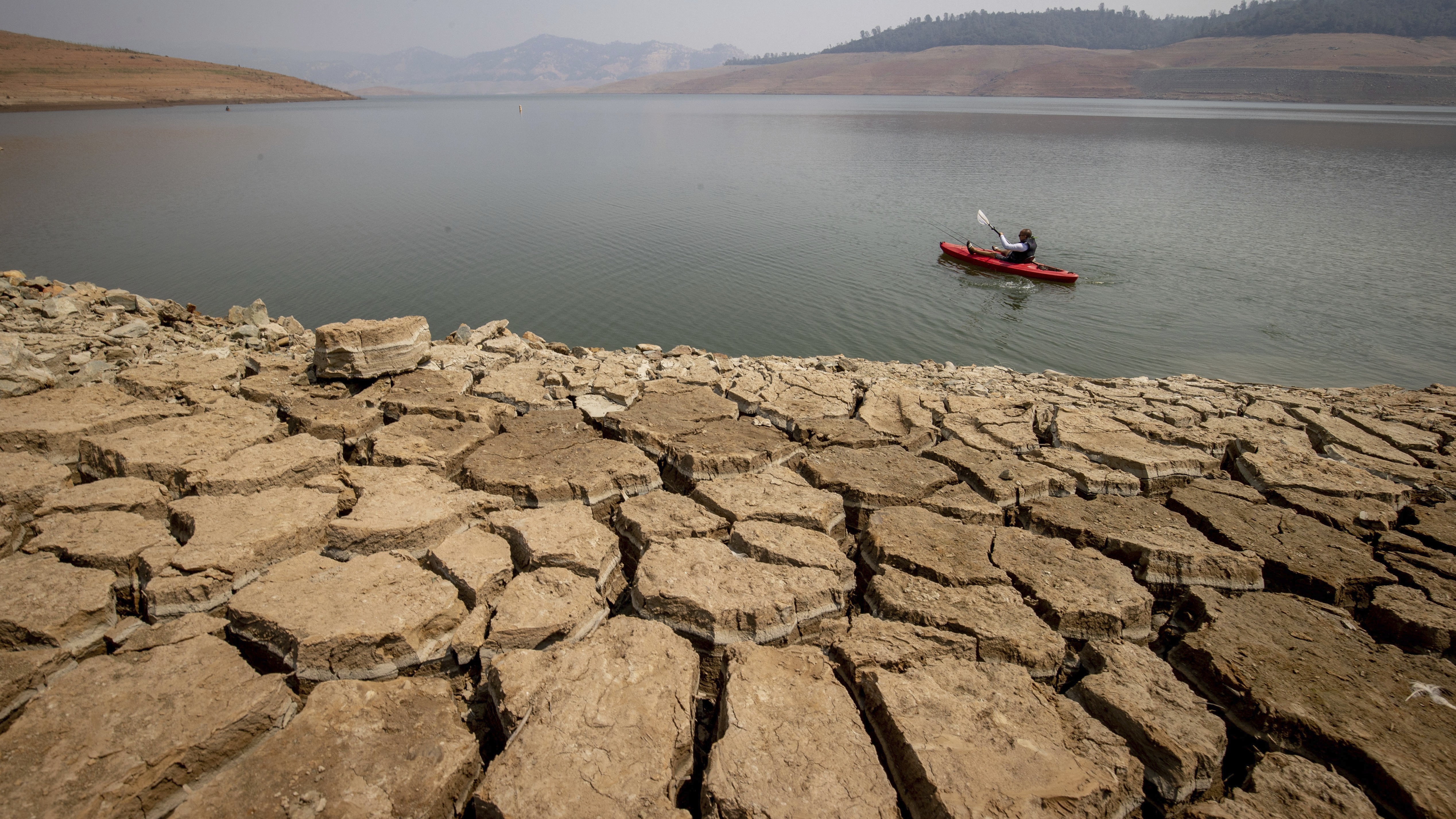
STANFORD, Calif. (KGO) -- Between climate change and severe droughts across the West, securing California's water future is critical. But at what cost?
In a newly released study, researchers from Stanford's Doerr School of Sustainability are putting a price tag on what a hotter and drier climate could mean for consumers. And in some areas they say it could result in water bills nearly doubling by the middle of this century.
MORE: California's water crisis driving higher interest in desalination as a new source
"Our goal was really to think about bringing the impacts of climate change all the way down to the household," says assistant professor Sarah Fletcher, Ph.D.
To gauge the impacts, Fletcher and colleague Jennifer Skerker, PhD, analyzed data from the city of Santa Cruz, which relies mainly on surface water, with just a single reservoir to store it. The city is already running an aggressive water conservation program, including groundwater injection wells. But the Stanford team wanted to understand how much water bills could rise if cities like Santa Cruz are forced to build new and even more expensive systems.
"And so you can't just take the historical data and model it and assume the future will be the same. You have to look at different ways that the future could potentially play out. And obviously we don't know how the future will play out. But we know that it will be different from today," says Skerker.
And in a drier future, that could include turning to technologies like seawater desalination, currently used in San Diego. Or directly purifying wastewater for drinking, now done in countries around the world.
And while building those systems would secure the future, researchers found the cost would fall heavily on lower-income households. Potentially forcing tradeoffs between paying costlier water bills and buying essentials like groceries and clothing all within a matter of decades.
BAY AREA 2050: How will climate change impact the Bay Area?
In the case of Santa Cruz, the modeling showed more than a third of households could be struggling to afford their water bills. Water director Heidi Luckenbach says the city is already running a program to subsidize lower-income households and believes cities statewide could be facing similar challenges.
"It's definitely a balancing act. And we're really trying to work locally, but really understand how throughout the state, in the nation, folks in my position are helping customers manage their water bill. And in our community, as you know, we have invested a lot in the utility customer assistance program, where we reach out and support single-family and multi-family customers," says Luckenbach.



Sarah Fletcher believes the models should provide a wake-up call for state and federal officials to not only plan for a drier climate, but also how to help some of the most vulnerable households survive in it.
"So, this is not a new problem, but it's one that climate change is making worse. So, I worry about the households that are already struggling," says Fletcher.
The study also found cities with larger reservoirs and access to affordable water sources might not face the same pressure from climate change. But they say the likely scenario is affordability hotspots sprinkled across the state, in areas where water sources are limited.