The two-week ceasefire announced earlier this month will expire on April 22.

President Donald Trump announced "major combat operations" against Iran on Feb. 28, with massive joint U.S.-Israeli strikes targeting military, government and infrastructure sites.
Following the announcement of a two-week ceasefire, initial U.S.-Iran talks in Pakistan earlier this month failed to reach a peace deal. The original ceasefire is set to expire on Wednesday, April 22.
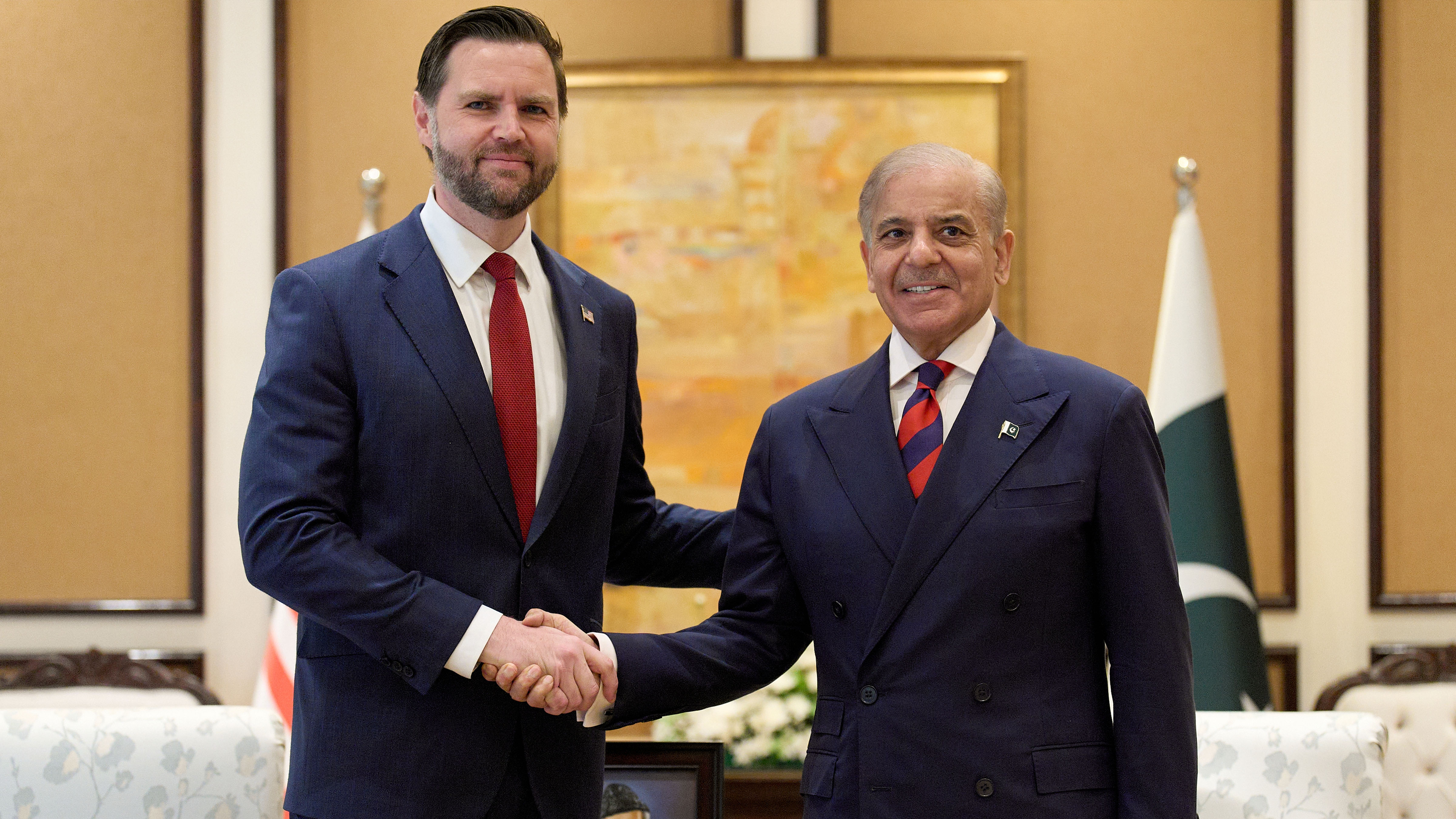
Trump said on Sunday that U.S. negotiators would return to Islamabad for a new round of talks. White House press secretary Karoline Leavitt said Vice President JD Vance would accompany special envoy Steve Witkoff and Jared Kushner, the president's son-in-law, to Islamabad.
But Iran's Foreign Ministry spokesperson said Monday that Tehran has "no plans" to participate.


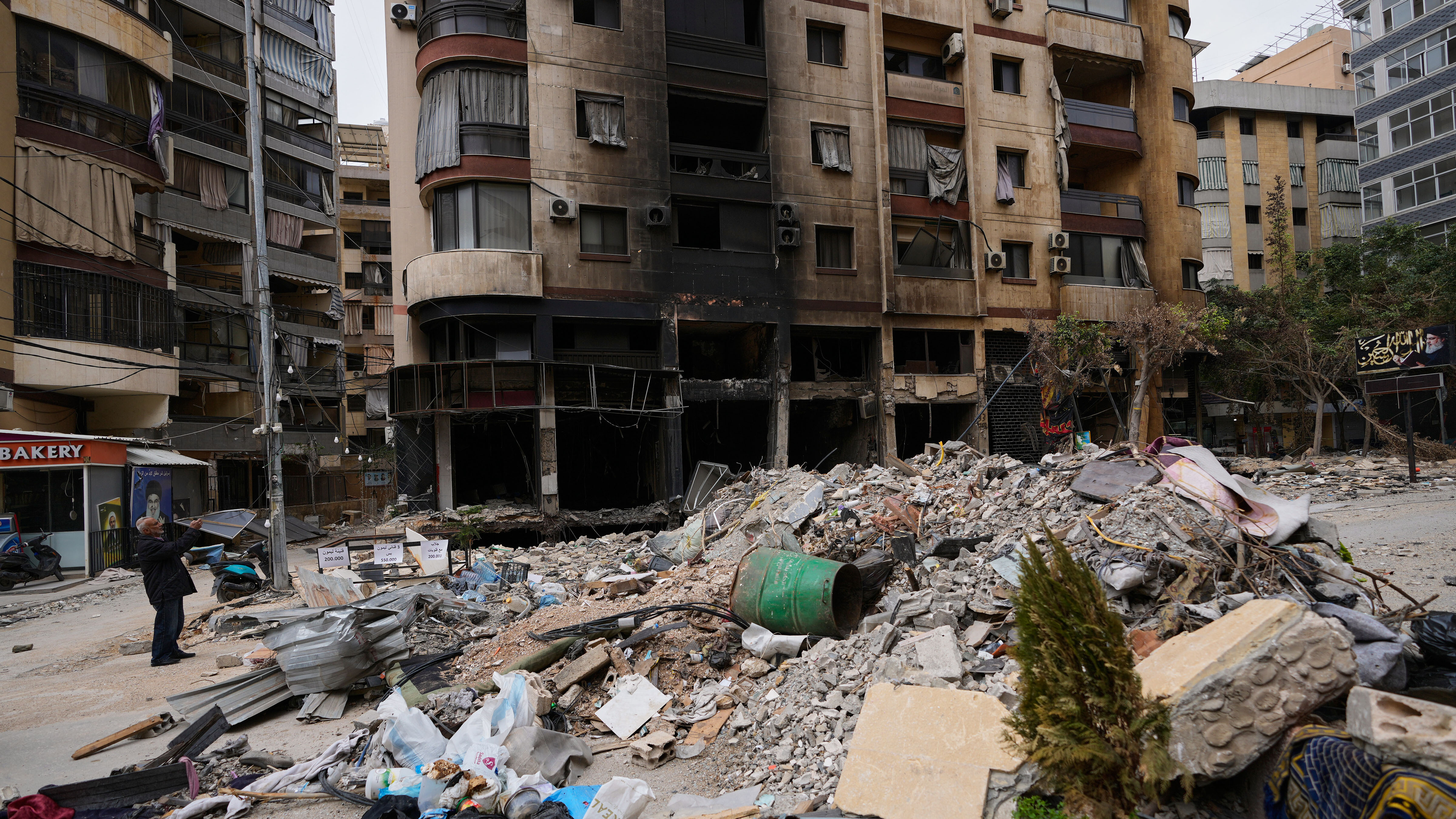
The State Department will host a second round of talks between Israel and Lebanon on Thursday, according to a State Department spokesperson.
"The United States welcomes the productive engagement that began on April 14," the spokesperson said. "We will continue to facilitate direct, good-faith discussions between the two governments."

In an interview with Bloomberg on Monday, President Donald Trump said that it is "highly unlikely" that he extends the ceasefire if a deal is not reached before the deadline, which the president said is Wednesday evening ET.
The president also doubled down on his blockade of the Strait of Hormuz, saying, "I'm not opening it up."
"They want me to open it. The Iranians desperately want it opened. I'm not opening it until a deal is signed," Trump said, according to Bloomberg.

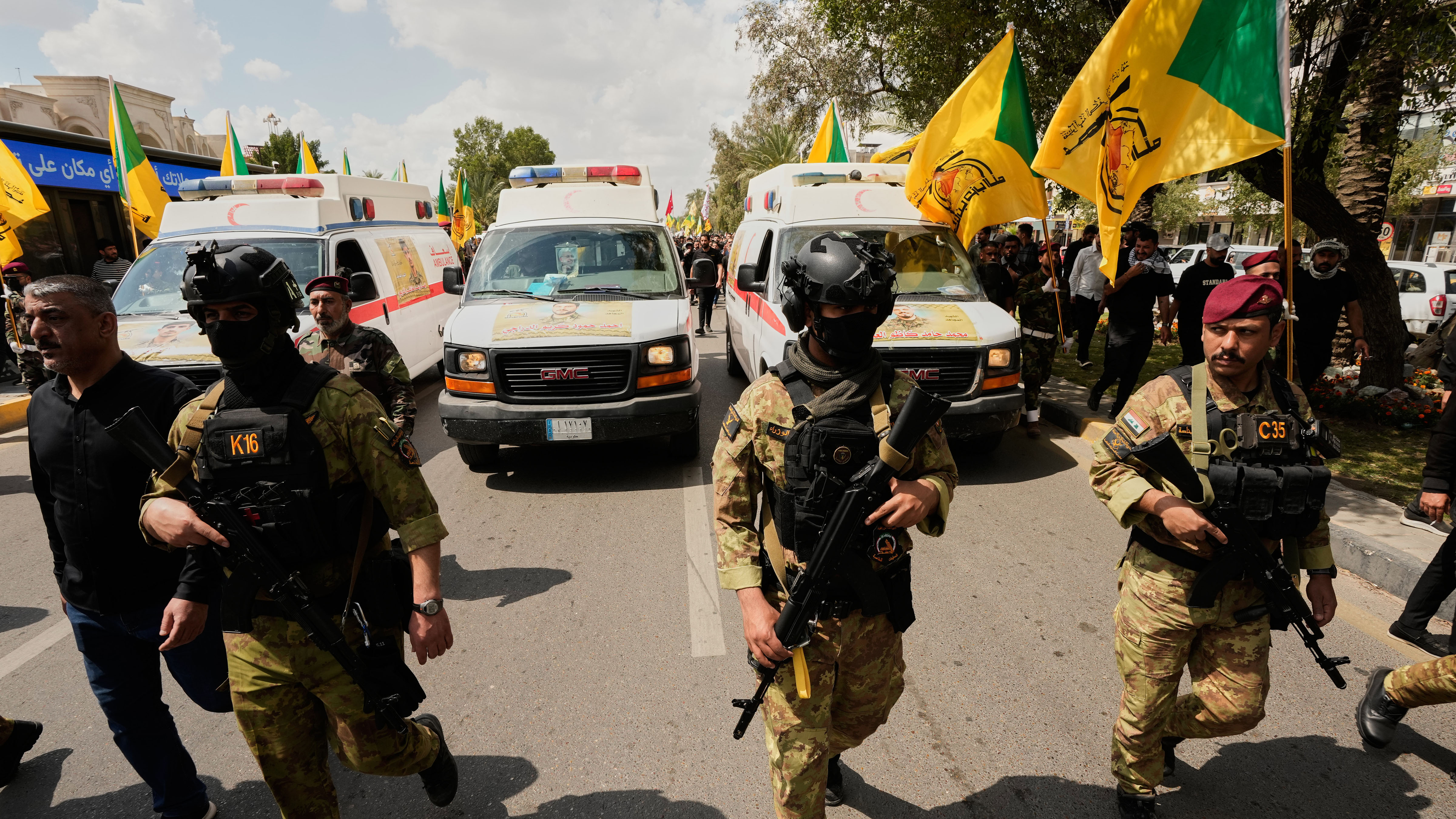
The U.S. Embassy in Baghdad issued a fresh warning to American citizens of the danger posed by Iranian-aligned militias in Iraq, as the country reopened its airspace and some commercial flights resumed.
"Iraq's Iran-aligned terrorist militias continue planning additional attacks against U.S. citizens and U.S.-associated targets throughout Iraq, including in the Iraqi Kurdistan region," the Embassy said in a post to X. "Some entities associated with the Iraqi government continue to provide effective political, financial and operational cover to these terrorist militias."
"Iraq's airspace has reopened and limited commercial flights have resumed. U.S. citizens considering air travel through Iraq should be aware of the ongoing risks of missiles, drones and projectiles in Iraqi airspace," the Embassy wrote.